

When searching for effective addiction treatment, understanding the difference between residential and outpatient rehab is crucial. While these terms are sometimes used interchangeably, they represent distinct levels of care in recovery, each catering to unique needs. This article will explore how residential treatment, outpatient rehab, and traditional inpatient rehab compare to help you choose the best option for yourself or a loved one seeking drug rehab in Tampa.
Defining Rehab and Residential Programs
- Rehab (Rehabilitation): Rehabilitation programs are structured treatment programs designed to address addiction. They can vary in intensity and duration, typically categorized into:
- Inpatient Rehab: Requires patients to live at the treatment facility full-time.
- Outpatient Rehab: Allows individuals to attend therapy sessions while living at home, with options that range from a few hours a week in standard outpatient care to a full daily schedule through a Partial Hospitalization Program (PHP) or Intensive Outpatient Program (IOP).
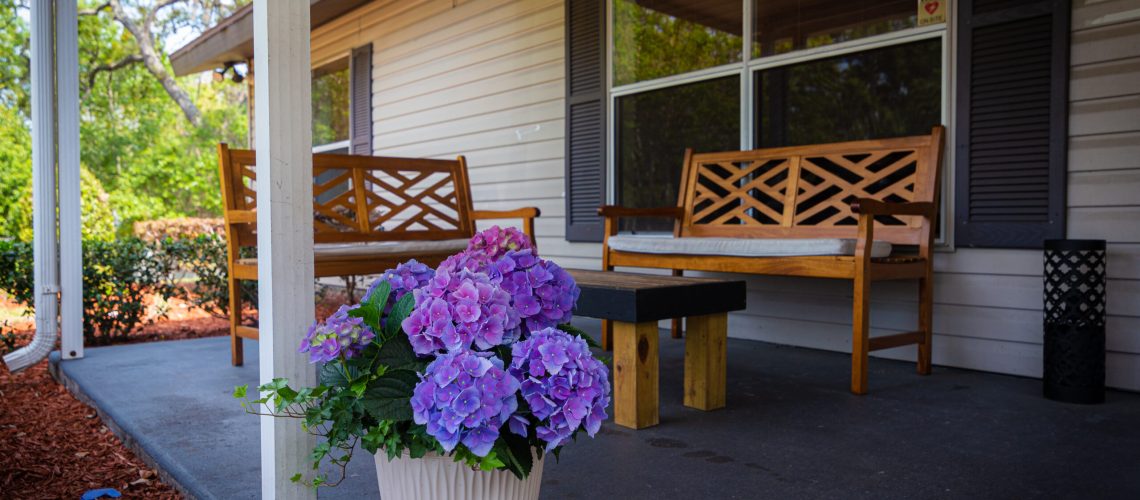
- Residential Programs: Residential addiction treatment is a form of inpatient care where individuals live in a home-like setting for extended periods. It focuses on creating a supportive, immersive environment for long-term recovery.
Key Differences Between Rehab, Residential, and Outpatient Treatment
1. Treatment Setting
- Rehab: Often takes place in clinical or hospital-like facilities. Inpatient rehabs are more structured and intensive, with 24/7 medical supervision that can support safe addiction detox when medically necessary.
- Residential: Offers a more relaxed, home-like environment. The focus is on creating a therapeutic community where patients feel comfortable and supported through specialized addiction treatment tailored to their needs.
- Outpatient: Takes place at an outpatient treatment center that clients visit for scheduled sessions, while continuing to live at home and manage daily responsibilities.
2. Length of Stay
- Rehab: Programs are typically shorter, ranging from 28 days to 90 days.
- Residential: Lengths of stay can be much longer, often six months to a year, allowing for gradual recovery and life skill development.
- Outpatient: Length of stay is flexible and depends on the level of care, ranging from a few weeks in a standard program to several months when stepping down through PHP or IOP.
3. Focus of Treatment
- Rehab: Prioritizes immediate detoxification, therapy, and relapse prevention. The goal is to stabilize the patient quickly.
- Residential: Takes a holistic approach, addressing deeper emotional, psychological, and social factors, including the relationship between childhood trauma and addiction, over an extended period.
- Outpatient: Focuses on applying recovery skills to everyday life, managing triggers, and building accountability through regular therapy and support groups.
4. Level of Supervision
- Rehab: Inpatient rehab provides 24/7 supervision by medical professionals, especially during detox.
- Residential: While there is supervision, the atmosphere is less clinical and more community-driven.
- Outpatient: Provides scheduled clinical support rather than round-the-clock supervision, making it best suited for people who are medically stable and have a supportive home environment.
5. Program Intensity
- Rehab: Highly structured schedules with daily therapy sessions, group meetings, and activities.
- Residential: Offers structured treatment but with flexibility, allowing time for personal growth and recreational activities.
- Outpatient: Ranges from a few hours a week in standard outpatient care to several hours a day, multiple days a week, in an Intensive Outpatient Program (IOP) or Partial Hospitalization Program (PHP).
Which Option Is Best for You?
Consider Rehab If:
- You require immediate medical intervention for detox, including when exploring florida marijuana detox options as part of a broader treatment plan.
- You have a dual diagnosis (addiction and mental health condition).
- You prefer a shorter, intensive program.
Consider Residential If:
- You need a long-term recovery solution.
- You thrive in a supportive, home-like setting.
- You want to focus on rebuilding life skills and addressing deep-rooted issues.
Consider Outpatient Rehab If:
- You’ve already completed detox or a higher level of care and are ready to step down.
- You have a stable, supportive home environment.
- You need to continue working, attending school, or caring for family while getting treatment.
Frequently Asked Questions About Residential and Outpatient Rehab
What’s the difference between residential and outpatient rehab?
Residential rehab means living at the treatment facility full-time, with 24/7 support in a structured environment. Outpatient rehab lets you live at home and attend treatment on a set schedule, from a few hours a week to a full daily program. Both use similar evidence-based therapies. The biggest difference is the setting and level of supervision.
Is residential treatment more effective than outpatient rehab?
Neither option is universally better. Residential treatment tends to work well for people with a severe addiction, an unstable home environment, or a co-occurring mental health condition, since it removes them from daily triggers. Outpatient rehab can be just as effective for people who are medically stable, have a strong support system, and need to keep up with work, school, or family responsibilities.
Can I move from residential treatment to outpatient rehab?
Yes. Many people step down from residential care to a Partial Hospitalization Program (PHP) or Intensive Outpatient Program (IOP), then to standard outpatient treatment, as they build stability in recovery. This step-down approach is a common part of a long-term treatment plan.
How do I know if I need residential or outpatient rehab?
A professional assessment is the most reliable way to compare rehab options in Pinellas County and determine the right level of care. Factors like the severity of the addiction, any co-occurring mental health conditions, and the safety and stability of your home environment all play a role.
Benefits of Drug Rehab in Tampa
1. Expert Care and Guidance:
Tampa boasts highly qualified addiction specialists and therapists to guide individuals through recovery.
2. Holistic Approach:
Centers like Spring Gardens Recovery integrate traditional and alternative therapies, including mindfulness, fitness programs, and nutritional support.
3. Accessible Support Networks:
Tampa offers a strong community of support groups, including AA and NA meetings, to help individuals maintain long-term sobriety.
4. Beautiful Environment:
Tampa’s serene surroundings and warm climate provide a peaceful setting conducive to healing and recovery.
Making the Right Choice for Recovery
Choosing between residential treatment, outpatient rehab, or traditional inpatient rehab depends on individual needs, addiction severity, and personal preferences. A professional assessment is often the best way to determine the most effective treatment plan, whether that means residential care, an outpatient program, or a step-down level of care like PHP or IOP.
Contact Spring Gardens Recovery for Help
If you’re searching for drug rehab in Tampa, Spring Gardens Recovery offers residential, outpatient, and step-down programs like PHP and IOP, tailored to your needs. Their comprehensive, patient-centered approach ensures that every individual receives the care they need to achieve and maintain sobriety.
Take the first step today. Visit Spring Gardens Recovery to learn more about their programs and start your journey toward a healthier, addiction-free life.