

Sound healing therapy is gaining attention as a complementary approach to relaxation and emotional well-being. In addiction recovery, it may offer a calming experience that helps individuals manage stress and reconnect with the present moment. However, understanding its potential benefits, scientific evidence, and limitations is essential. This guide explores how sound healing works, what research suggests, and how it may complement professional addiction treatment without replacing medical care or evidence-based therapies.
What is Sound Healing Therapy?
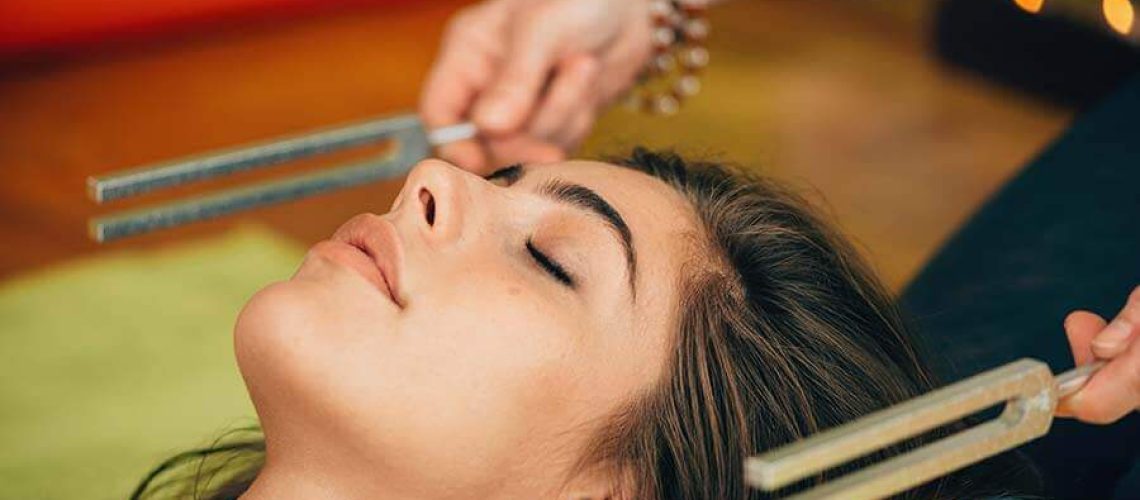
 Sound-healing therapy uses sound to calm the mind. Sessions often include instruments such as singing bowls, gongs, chimes, or tuning forks, and some programs add recorded or electronically produced tones. A person lies or sits comfortably and listens while the sounds wash through the room.
It relates to music therapy but isn’t the same. A trained therapist leads music therapy, which often involves active work such as lyric discussion or songwriting. Sound healing is usually more passive: you listen, breathe, and let the body settle. For instance, some sounds produced by sound healing practitioners or even people running music therapy groups are designed to mimic what a baby hears in the womb. The resulting sense of peace and safety can facilitate stress reduction and a sense of well-being.
How Sound Healing Therapy Can Support Recovery
Addiction touches the body, the mind, and daily habits all at once. Recovery tends to go better when care reaches all three. That is the thinking behind our holistic therapy approach.
People who try sound healing commonly describe:
- Physical relaxation: Slow, steady sound can help the body loosen its grip on tension.
- A calmer mind: Focusing on tone and rhythm gives a racing mind one simple thing to follow.
- Rest: A quiet, structured session can make winding down feel possible.
- A new way to cope: Learning to settle through sound gives people a skill they can use outside treatment.
These are experiences people report. They are not guaranteed results, and responses vary from person to person.
What the Research Says About Sound Healing Therapy
The honest answer is that research on sound healing itself is thin. One observational study of singing bowl meditation (Goldsby and colleagues, Journal of Evidence-Based Complementary & Alternative Medicine, 2017) followed 62 adults. Participants reported lower tension, anger, fatigue, and low mood afterward. The study was small and had no comparison group.
The better-studied cousin is music therapy. A 2022 Cochrane review of music therapy for people with substance use disorders found that it likely reduces craving and increases motivation for treatment when added to standard care. The same review said its effect on substance use itself is unknown. A 2017 systematic review in PLOS ONE (Hohmann and colleagues) also reported emotional and motivational benefits, with mixed results across studies.
What We Do Not Know Yet
We want to be direct about the gaps:
- Few studies test sound-healing therapy in people recovering from addiction.
- Most existing studies are small, short, and lack control groups.
- Sessions vary widely, so results from one style may not apply to another.
- We cannot say that sound healing reduces cravings, prevents relapse, or speeds detox.
The fair reading is that sound healing may be a gentle comfort measure. It supports care. It does not replace it.
Is Sound Healing Safe?
For most people, listening to sound is low risk. Loud or sustained tones can be uncomfortable for people with sound sensitivity, migraines, or certain neurological or mental health conditions. Tell your care team about these before a session.
More importantly, sound healing is never a stand-alone answer to withdrawal. Stopping alcohol or benzodiazepines suddenly can be medically dangerous, and detox needs clinical oversight.
How Sound Healing Fits Into Care at Spring Gardens Recovery
Our approach starts with medical safety. Clients going through detox receive supervised care through our detox services and medical detox program, and you can read more about detox methods and withdrawal symptoms.
Comfort-focused therapies complement that foundation on our 4.5-acre campus in Spring Hill, Florida. They include yoga, guided meditation, massage therapy, and sauna therapy.
The deeper work happens in individual therapy, group therapy, and other evidence-based therapies. To see how creative approaches fit in, read how music therapy makes a difference.
Frequently Asked Questions
What is sound-healing therapy?
Sound-healing therapy uses instruments or recorded tones, such as singing bowls and gongs, to promote relaxation. It is typically a listening-based practice.
Is sound healing the same as music therapy?
No. A trained therapist leads music therapy, and it often involves active participation. Sound healing is usually more passive and focused on relaxation.
Can sound healing treat addiction?
No. It is not an addiction treatment. At most, it can support medical care and counseling.
Does sound healing help with cravings?
Current evidence does not show that it does. Music therapy has some evidence for reducing cravings, but sound healing has not been studied well enough to say.
What does a session feel like?
Most people lie or sit comfortably while sounds play. Many describe feeling relaxed or sleepy, though experiences differ.
Does insurance cover treatment at Spring Gardens Recovery?
Coverage depends on your plan. You can verify your insurance online or call us.
Talk With Our Team
If you or someone you love is ready to ask about detox and recovery, we are here to answer questions about what’s included in your care. Visit Spring Gardens Recovery, contact our team, or call us at 352-480-0669.