

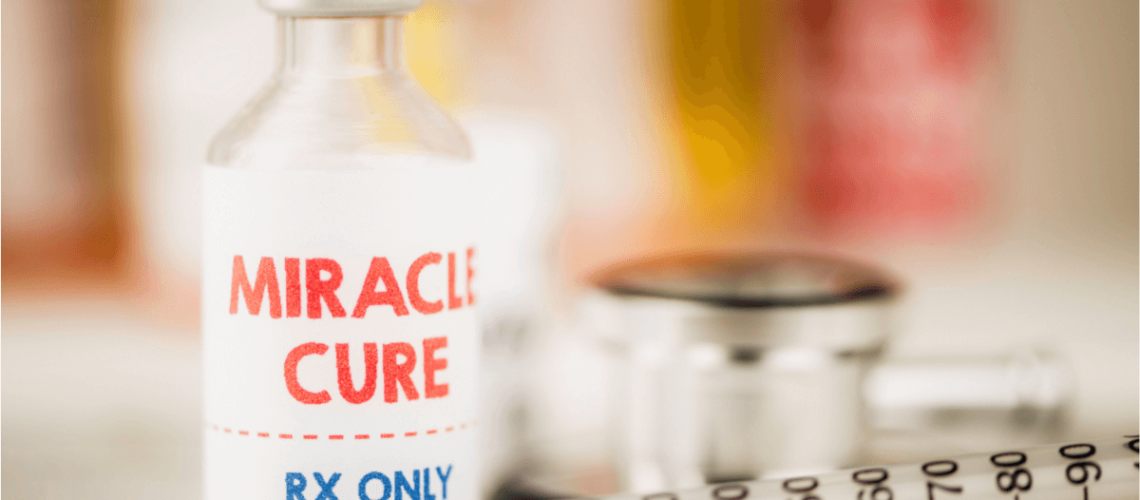
Someone lying awake at 3 a.m., withdrawal already setting in, finds a forum thread claiming one dose of ibogaine can “reset” opioid addiction in a single night.
Or they walk into a gas station and see kratom capsules sitting next to the energy shots, marketed as a legal, natural way to quit painkillers.
Both promises sound like an exit ramp. Neither one is.
We get asked about ibogaine and kratom often enough that it’s worth laying out exactly what the research shows, because the hype around both substances has outpaced the science by a wide margin.
What Ibogaine Actually Is
Ibogaine comes from a West African plant and has been used in traditional medicine for over a century. It appears to act on opioid receptors in the brain, and some early research suggests it may help reset neuroreceptors tied to addiction. That’s the part that gets quoted in every ibogaine forum post.
What gets left out is the risk. Ibogaine is a hallucinogen, and even setting aside the unpleasant psychological effects during use, it carries a documented risk of fatal cardiac arrhythmia. Women appear to face a notably higher overdose risk than men. This isn’t a fringe concern. People have died taking ibogaine outside a monitored medical setting, which is exactly why no accredited program in the United States offers it as unsupervised, at-home detox.
There’s real research interest in ibogaine’s future, particularly around synthesizing safer analogs that keep the therapeutic effect without the cardiac risk. That work is still years from clinical use. Right now, ibogaine is not a cure. It’s an unregulated substance with a body count.
What Kratom Actually Does
Kratom comes from a Southeast Asian tree and gets sold as a dietary supplement, often marketed as a natural way to ease opioid withdrawal. It works by producing a mild euphoria that can take the edge off early detox discomfort.
Here’s the problem. A six-month study of people with no prior opioid addiction found that regular kratom use produced cravings and withdrawal symptoms nearly identical to opioid dependence. Kratom doesn’t sidestep the addiction cycle. It just moves someone into a new one, often without them realizing the swap has happened.
The overdose risk is real too. Kratom overdose can require naloxone (Narcan) to reverse, the same medication used for a heroin overdose. Pregnant women who tried substituting kratom for opioids to spare their newborns from withdrawal found the opposite happened. Babies born to mothers using kratom during pregnancy have shown withdrawal symptoms after birth, the same outcome kratom was supposed to prevent.
Why “Natural” Doesn’t Mean “Safe”
Both substances get marketed with the same pitch: natural, plant-based, not a pharmaceutical. That framing does a lot of work it hasn’t earned. Nicotine, arsenic, and hemlock are all natural too. Being unregulated doesn’t mean being unstudied, and both ibogaine and kratom carry documented risks that a supplement label doesn’t disclose.
The deeper problem is what these substances promise: a shortcut around medical detox. Opioid withdrawal is genuinely dangerous without supervision, and trading one unsupervised substance for another doesn’t solve that. It just changes which risk you’re taking.
What Actually Works Instead
We understand the appeal of wanting something that feels more natural than a hospital-style detox. That instinct isn’t wrong; it’s just aimed at the wrong solution.
Medically supervised detox gives you the safety net that ibogaine and kratom can’t: real monitoring, medication when it’s actually needed, and a team watching for the complications that unsupervised withdrawal can produce. For people who want a genuinely natural complement to that medical care, holistic therapy options like acupuncture, reiki, and guided meditation are built directly into treatment, alongside evidence-based medical care rather than instead of it.
That combination, Eastern-influenced wellness practices paired with Western medical supervision, gives people the best of what both approaches actually offer, without asking them to gamble on an unregulated substance to get there.
Frequently Asked Questions
Is ibogaine legal in the United States?
No. Ibogaine is a Schedule I controlled substance in the U.S., which is part of why it’s typically sought out through unregulated clinics abroad or informal sources, both of which carry real safety risks.
Can kratom help with opioid withdrawal symptoms?
It can temporarily ease some symptoms, but research shows regular use often creates a new dependency with withdrawal symptoms similar to opioids. Hence, it tends to delay the problem rather than solve it.
Why do people still try these if they’re risky?
Withdrawal is miserable, and both substances get marketed as fast, natural fixes. That marketing rarely mentions the cardiac risk with ibogaine or the dependency risk with kratom.
What should someone do instead if they’re considering ibogaine or kratom?
Talk to a treatment provider about medically supervised detox first. It addresses the same withdrawal discomfort these substances promise to fix, with actual safety monitoring in place.
Talk to Someone Before You Try Either
If you’re considering ibogaine or kratom because the idea of a hospital-style detox feels overwhelming, that’s a conversation worth having with a real treatment provider before you try either substance on your own.
Contact Spring Gardens Recovery or call 352-480-0669 to discuss what a safe, supervised detox could look like for your situation.