

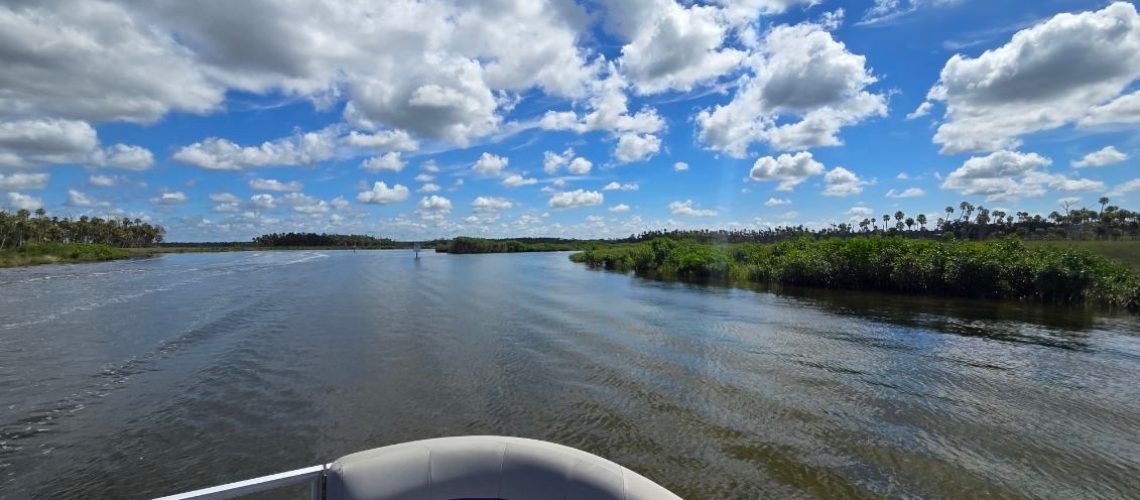
Aquatic therapy is a water-based approach to physical and emotional rehabilitation that uses guided exercise and movement in a pool or other body of water. In aquatic therapy addiction treatment, it is used as a supportive part of a broader recovery plan, helping people rebuild strength, ease physical tension, and manage stress, rather than as a standalone treatment for substance use disorder.
At Spring Gardens Recovery, we incorporate aquatic therapy into our addiction treatment programs alongside clinical care, so clients have a gentle, structured way to reconnect with their bodies while the rest of their treatment does the heavier lifting.
What Is Aquatic Therapy?
Aquatic therapy, sometimes called aquatic physical therapy or pool therapy, involves structured therapeutic exercises performed in water under the guidance of a trained professional. It sits within the broader category of hydrotherapy, which covers many uses of water for therapeutic purposes.
Water changes how the body moves and how movement feels, which is why it is widely used in physical rehabilitation and increasingly in behavioral health settings.
Why Water Makes Movement Easier
- Buoyancy supports body weight and reduces load on joints, so movement is possible for people who find land-based exercise painful or exhausting.
- Hydrostatic pressure, the gentle pressure water applies to the body, can support circulation and may help reduce swelling in the limbs.
- Resistance works in every direction, so muscles are challenged without heavy weights or high-impact motion.
- Warmth, in a heated therapeutic pool, helps muscles relax and can make stretching more comfortable.
Together, these properties allow for low-impact exercise that many people can tolerate early in recovery, when energy, coordination, and pain tolerance are often still returning to normal.
How Aquatic Therapy Fits Into Addiction Treatment
Aquatic therapy for addiction treatment is a complementary therapy. It works alongside medical care, individual and group counseling, medication when appropriate, and relapse prevention planning. It does not replace any of them.
Its role is practical. Early recovery is physically demanding: sleep is disrupted, appetite is unsettled, and many people carry pain, injury, or deconditioning from years of substance use. Structured time in the water gives clients a way to be active, present, and cared for without pushing the body harder than it can handle. For some people, it is also the first form of exercise in a long time that does not feel like a chore.
Potential Benefits of Aquatic Therapy in Addiction Recovery
1. Low-Impact Physical Activity
Many people entering treatment have physical limitations, chronic pain, or low fitness levels. Water-based exercise allows for gentle strengthening and improved mobility with far less strain than running or weight training.
2. Stress Reduction and Relaxation
Warm water, rhythmic movement, and unhurried sessions can help the body settle. For people learning to manage anxiety and emotional triggers without substances, having a reliable way to physically calm down is a useful skill to carry forward.
3. Mindfulness and Emotional Regulation
Aquatic therapy sessions often include controlled breathing and attention to physical sensation. That focus on the present moment overlaps closely with the mindfulness skills taught in clinical therapy, and it gives clients a chance to practice them in a different setting.
4. Improved Sleep and Daily Structure
Regular, moderate physical activity supports healthy sleep patterns, which are frequently disrupted in early recovery. Scheduled sessions also add rhythm and predictability to the day, which many people find steadying.
5. Connection and Peer Support
Group sessions in the water tend to feel less intimidating than a gym or a formal exercise class. Shared activity gives people something to do together, which often makes conversation and connection easier.
A Note on Detox and Withdrawal
Withdrawal should always be managed with appropriate medical supervision. Aquatic therapy is not a treatment for withdrawal symptoms and is generally introduced after a person is medically stable. At that point, gentle movement and relaxation may help with lingering muscle tension, restlessness, and difficulty unwinding, as part of a supervised program.
Types of Aquatic Therapy Activities Used in Recovery
Water-based therapy for addiction recovery can take several forms, depending on the program, the setting, and a person’s comfort level in water:
- Pool-based therapeutic exercise: guided stretching, resistance work, and walking or gentle movement in a heated pool.
- Swimming and snorkeling: more active sessions for those who are comfortable swimming and want a cardiovascular element.
- Boating and kayaking: open-water activity that builds coordination and confidence while offering time outdoors.
- Cold water immersion: brief, supervised cold exposure, which some people find invigorating and others find uncomfortable. It is optional and is not appropriate for everyone, particularly anyone with cardiovascular concerns.
Not every activity suits every client. Programs should match the activity to the person’s physical condition, medical history, and preferences.
What to Expect in an Aquatic Therapy Session
During a session at Spring Gardens Recovery, participants take part in structured exercises led by trained professionals. A typical session includes:
- Warm-up movements to loosen muscles and support circulation.
- Guided stretching and resistance work, sometimes using water weights or flotation devices.
- Breathing and mindfulness exercises to encourage focus and calm.
- A cool-down period focused on relaxation.
Sessions are paced for the group, and clients are never expected to perform at a set level. Swimming ability is not a requirement for most pool-based work, since much of it happens in shallow water where standing is possible.
Who May Benefit From Aquatic Therapy?
Aquatic therapy in addiction recovery may be particularly helpful for people who:
- Live with chronic pain, joint problems, or limited mobility.
- Carry high levels of stress or anxiety and struggle to relax.
- Have been physically inactive and want a gentle place to start.
- Find gyms or group exercise settings intimidating.
- Respond well to holistic and experiential approaches alongside clinical therapy.
It may be less suitable for people with certain skin conditions, open wounds, uncontrolled seizures, some cardiac or respiratory conditions, or a strong fear of water. A treatment team should review medical history before anyone begins.
Safety Considerations
Aquatic therapy should always be supervised by qualified staff, in a facility with appropriate safety protocols. Clients should tell their care team about any medical conditions, medications, or physical limitations beforehand, and should stop and rest if they feel dizzy, overheated, or unwell. Hydration matters in water just as it does on land, since it is easy to underestimate exertion when you do not notice yourself sweating.
Frequently Asked Questions
Is aquatic therapy a treatment for addiction?
No. Aquatic therapy is a complementary therapy that supports recovery. Effective addiction treatment relies on medical care, counseling, and ongoing support, with aquatic therapy adding physical and emotional benefits alongside them.
Do I need to know how to swim?
Usually not. Most therapeutic pool work takes place in shallow water where you can stand, and flotation devices are available. Activities like swimming, snorkeling, or kayaking do require more comfort in the water and are optional.
How is aquatic therapy different from just swimming?
Aquatic therapy is structured, supervised, and built around specific therapeutic goals such as mobility, relaxation, or breathing. Recreational swimming has real benefits too, but it is not guided toward those goals.
How often would I take part?
That depends on the program and your individual treatment plan. In a residential setting, aquatic therapy is typically scheduled as one of several weekly therapeutic activities.
Can aquatic therapy help with cravings or stress after treatment ends?
Many people continue with water-based exercise after leaving treatment and find it a useful part of managing stress. Any single activity is one piece of a wider relapse prevention plan rather than a substitute for continued support.
Explore Aquatic Therapy as Part of Your Recovery
At Spring Gardens Recovery, we offer a range of therapeutic approaches because no two people arrive in recovery with the same needs. Our aquatic therapy program is designed to support physical comfort, emotional steadiness, and overall well-being alongside clinical treatment.
If you or someone you love is struggling with addiction, contact us today to learn more about our programs and what a treatment plan could look like.